 Wheel Loader
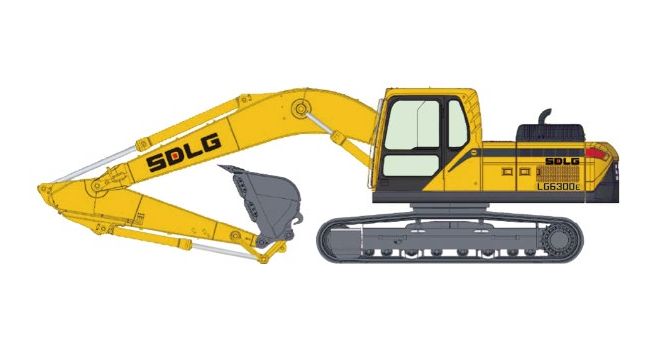 Excavator
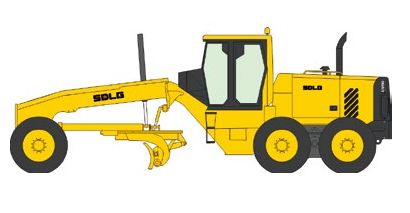 Motor Grader
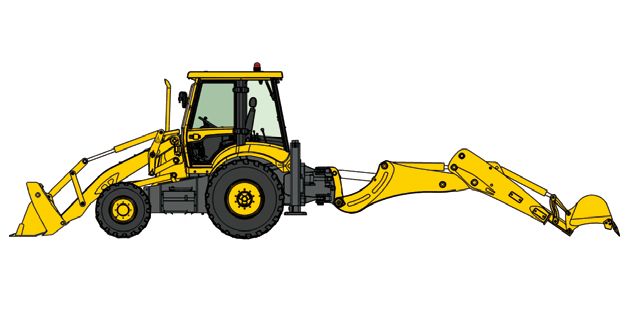 Backhoe Loader
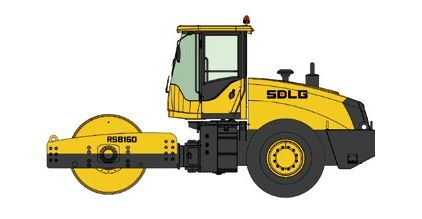 Road Roller
 Spare Parts
Leave Your Message

Comprehensive Analysis of Industry Applications and Future Trends
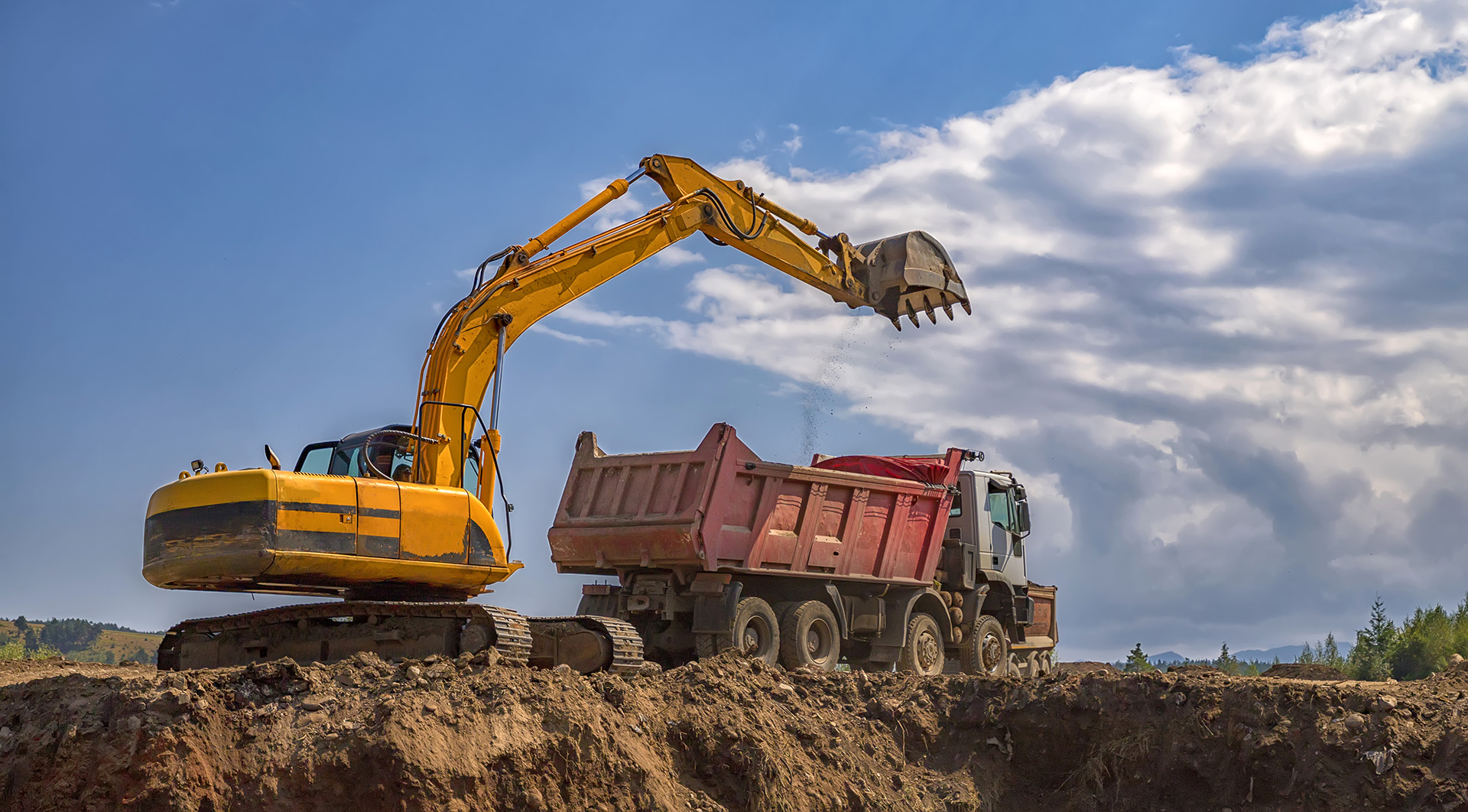
The 20-ton excavator has emerged as a critical asset in the mining and quarrying industry, representing the perfect balance between power, versatility, and operational efficiency. This medium-class excavator category has witnessed exponential growth in global demand, driven by expanding mining operations, infrastructure development, and the increasing need for cost-effective material extraction solutions.
In the contemporary mining and quarrying landscape, 20-ton excavators serve as the workhorse equipment that bridges the gap between compact machinery and heavy-duty excavators. Their optimal size allows them to operate in confined spaces while maintaining the power necessary for demanding excavation tasks, making them indispensable for both surface mining operations and quarrying activities.
The global mining equipment market has experienced significant transformation over the past decade, with 20-ton excavators capturing an increasingly larger market share. According to industry analysis, the medium excavator segment, particularly the 20-ton class, is projected to grow at a CAGR of 5.8% through 2030, driven by emerging market expansion and technological advancement.
Mining companies worldwide are recognizing the operational advantages of 20-ton excavators, including lower fuel consumption per ton of material moved, reduced maintenance costs compared to larger equipment, and enhanced maneuverability in complex mining environments. These factors have positioned 20-ton excavators as the preferred choice for operations ranging from coal mining to aggregate quarrying.
20-ton excavators deliver optimal bucket capacity and cycle times, enabling efficient material handling in mining operations with productivity rates reaching 150-200 BCM per hour.
Lower initial investment and operational costs compared to larger excavators, with fuel consumption averaging 15-20 liters per hour, making them ideal for medium-scale operations.
Adaptable to various mining tasks including overburden removal, ore extraction, loading operations, and site preparation across diverse geological conditions.
In surface mining applications, 20-ton excavators excel in overburden removal, which constitutes a significant portion of mining operations. Their digging depth of 6-7 meters and reach of 9-10 meters make them ideal for bench mining operations in coal, iron ore, and bauxite mines. The equipment's ability to handle various bucket configurations—ranging from 0.8 to 1.2 cubic meters—allows operators to optimize material handling based on specific geological conditions.
Modern 20-ton excavators equipped with advanced hydraulic systems can generate breakout forces exceeding 140 kN, enabling efficient excavation in moderately hard rock formations without requiring pre-blasting. This capability significantly reduces operational costs and improves mining efficiency, particularly in sedimentary rock quarries and coal seam extraction.
The quarrying industry has embraced 20-ton excavators for their precision and reliability in extracting dimensional stone, aggregate materials, and industrial minerals. These machines perform critical functions including:
While primarily designed for surface operations, specialized 20-ton excavators with reduced height configurations serve critical roles in large-opening underground mines. These modified units support:
The mining industry is experiencing a technological revolution, with 20-ton excavators at the forefront of automation adoption. Modern units incorporate GPS-guided excavation systems, payload monitoring, and telematics platforms that provide real-time operational data. These technologies enable:
Autonomous Operation Capabilities: Semi-autonomous 20-ton excavators equipped with LiDAR sensors and machine vision systems can now perform repetitive excavation tasks with minimal operator intervention. This technology is particularly valuable in hazardous mining environments, reducing human exposure to dangerous conditions while maintaining consistent productivity levels.
Predictive Maintenance Systems: Advanced sensor networks monitor critical component health, including hydraulic system pressure, engine parameters, and structural stress points. Machine learning algorithms analyze this data to predict maintenance requirements before failures occur, reducing unplanned downtime by up to 35% and extending equipment lifecycle.
Integration of artificial intelligence for optimized digging patterns, fuel efficiency management, and automated bucket filling algorithms that increase productivity by 12-18%.
New generation 20-ton excavators meet Stage V emission standards with advanced after-treatment systems, reducing NOx emissions by 80% and particulate matter by 90%.
Emerging hybrid and fully electric 20-ton excavator models offer zero-emission operation for quarries near urban areas, with battery capacities enabling 4-6 hours of continuous operation.
Advanced metallurgy and composite materials are revolutionizing excavator construction. High-strength steel alloys reduce structural weight while increasing durability, enabling higher payload capacities without compromising stability. Bucket teeth manufactured from tungsten carbide composites extend wear life by 300-400% in abrasive quarrying applications, significantly reducing consumable costs.
Hydraulic system innovations include variable displacement pumps with electronic control, achieving pressure compensation and flow optimization that reduce energy consumption by 15-20%. These systems maintain consistent performance across varying load conditions, crucial for maintaining productivity in diverse mining scenarios.
For mining and quarrying operations, the decision to invest in 20-ton excavators requires comprehensive financial analysis. The total cost of ownership (TCO) over a typical 10-year operational lifecycle includes:
Capital Investment: Modern 20-ton excavators range from $150,000 to $300,000 depending on specifications and technology packages. This price point makes them accessible to medium-sized mining operations while offering enterprise-grade capabilities.
Operational Expenses: Fuel costs typically represent 35-40% of hourly operating expenses, with modern efficient engines consuming 15-20 liters per hour. Maintenance costs average $25-35 per operating hour, including scheduled services, wear parts replacement, and hydraulic fluid changes. Labor costs for skilled operators range from $30-50 per hour in developed markets.
Productivity Returns: A well-maintained 20-ton excavator operating in optimal conditions can move 150-200 bank cubic meters per hour, translating to 1,200-1,600 BCM per standard 8-hour shift. In aggregate quarrying operations, this productivity enables payback periods of 18-24 months under normal utilization rates.
The global market for 20-ton excavators demonstrates significant regional variations. Asia-Pacific markets, particularly China, India, and Southeast Asian nations, account for 55-60% of global demand, driven by rapid infrastructure development and expanding mining operations. North American markets emphasize technology-rich models with advanced safety features and emission controls, while African and Latin American markets prioritize durability and ease of maintenance in challenging operational environments.
Emerging markets are witnessing increased adoption of Chinese and Korean manufactured 20-ton excavators, offering competitive pricing while maintaining acceptable quality standards. These machines typically cost 30-40% less than European or Japanese equivalents, making them attractive for cost-sensitive operations while still delivering reliable performance.
Modern equipment financing structures have evolved to accommodate diverse operational requirements. Operating leases enable mining companies to access latest technology without capital commitment, with monthly payments typically ranging from $3,500-$6,000 depending on terms and included services. Finance leases offer ownership pathways with tax advantages, while equipment-as-a-service models bundle machine provision, maintenance, and operator training into comprehensive packages.
Modern 20-ton excavators incorporate comprehensive safety features addressing the unique hazards of mining and quarrying environments. ROPS/FOPS certified cabs protect operators from falling objects and rollover incidents, while 360-degree camera systems eliminate blind spots, reducing collision risks by up to 70%. Proximity detection systems using radar and ultrasonic sensors alert operators to personnel or equipment within danger zones, critical in busy quarry environments.
Slope stability monitoring systems integrated into advanced models provide real-time alerts when operating on unstable ground, preventing tip-over incidents that account for 15-20% of excavator-related accidents in mining operations. Emergency shutdown systems enable rapid power termination in critical situations, while fire suppression systems protect against hydraulic fluid ignition in high-temperature mining environments.
Increasingly stringent environmental regulations are reshaping equipment specifications for mining applications. Stage V emission standards in Europe, Tier 4 Final in North America, and equivalent standards in other regions mandate advanced emission control systems including selective catalytic reduction (SCR) and diesel particulate filters (DPF). These systems reduce harmful emissions while maintaining engine performance, though they require quality fuel and regular maintenance to function effectively.
Noise pollution regulations in quarries near residential areas necessitate sound-dampened engine compartments and reduced operational noise levels. Modern 20-ton excavators achieve noise levels below 75 dB(A) at operator position, complying with occupational health standards while minimizing community impact. Dust suppression systems integrated with excavator operations reduce airborne particulate matter, addressing both worker health concerns and environmental compliance requirements.
Advanced cab designs with climate control, ergonomic controls, and vibration dampening reduce operator fatigue and improve safety awareness during extended shifts.
Integrated telematics systems track emission levels, operational parameters, and maintenance schedules, ensuring continuous regulatory compliance with automated reporting.
Real-time hazard detection systems including gas sensors, ground stability monitoring, and proximity alerts reduce incident rates by up to 60% in mining operations.
Effective maintenance programs are critical for maximizing 20-ton excavator availability in demanding mining environments. Comprehensive maintenance schedules typically include daily pre-operational inspections covering hydraulic fluid levels, track tension, and visual damage assessment. 250-hour service intervals address engine oil and filter changes, while 500-hour services include hydraulic filter replacement and comprehensive system inspections.
Major overhauls at 5,000-hour intervals involve engine rebuilds, hydraulic pump refurbishment, and structural integrity assessments. Mining operations achieving 90%+ availability rates typically invest 3-4% of equipment value annually in preventive maintenance, significantly less than reactive maintenance costs following unexpected failures.
Mining operations in remote locations require strategic spare parts inventory to minimize downtime. Essential components including hydraulic filters, engine oil filters, fuel filters, and seal kits should be maintained in on-site inventory. High-wear items such as bucket teeth, cutting edges, and track shoes require regular monitoring and replacement, with consumption rates varying based on material hardness and operational intensity.
Genuine OEM parts versus aftermarket alternatives present ongoing procurement decisions. While aftermarket parts may offer 30-50% cost savings, genuine parts typically provide superior quality assurance, warranty coverage, and compatibility. Critical components including hydraulic pumps, control valves, and electronic modules warrant genuine parts specification to ensure reliability and performance.
Establishing strong relationships with reliable parts suppliers is essential for mining operations. Key considerations include:
Digital maintenance management systems transform traditional approaches through:
The mining industry's commitment to sustainability is driving rapid development of electric and hybrid 20-ton excavators. Battery-electric models currently under development promise zero-emission operation with lithium-ion battery packs providing 4-6 hours of continuous operation. Fast-charging systems enable 80% charge in 60-90 minutes, making them viable for multi-shift operations with strategic charging during breaks.
Hybrid excavators combining diesel engines with electric motors and energy recovery systems achieve 20-30% fuel savings compared to conventional models. Regenerative systems capture energy during boom lowering and swing deceleration, storing it in battery banks or supercapacitors for reuse during high-demand operations. These systems are particularly effective in loading applications with repetitive cycles.
Autonomous excavation technology is progressing from controlled testing environments to commercial deployment in mining operations. Current generation systems enable supervised autonomy where operators monitor multiple machines remotely, intervening only for exceptional situations. Advanced models incorporate machine learning algorithms that optimize digging patterns based on material characteristics, improving efficiency by 15-20% compared to manual operation.
Remote operation capabilities allow expert operators to control excavators from climate-controlled offices hundreds or thousands of kilometers from mine sites. This technology addresses skilled labor shortages while removing personnel from hazardous environments. 5G connectivity and low-latency satellite communications enable real-time control with minimal lag, critical for precise excavation tasks.
Digital twin technology creates virtual replicas of physical excavators, enabling simulation and optimization before implementation on actual equipment. These digital models incorporate real-time operational data, allowing engineers to test maintenance strategies, operational parameters, and component modifications in virtual environments. Mining companies utilizing digital twin technology report 25-30% reductions in unplanned downtime and 15-20% improvements in operational efficiency.
Blockchain technology is emerging for parts authentication and supply chain transparency, addressing counterfeit component concerns that plague the industry. Smart contracts automate warranty claims and maintenance scheduling, while distributed ledgers provide immutable maintenance records valuable for equipment resale and regulatory compliance.
Industry analysts project the 20-ton excavator market will reach $8.5 billion globally by 2030, driven by infrastructure development in emerging economies and equipment replacement cycles in mature markets. Technological differentiation will increasingly influence purchasing decisions, with premium features commanding 15-25% price premiums for demonstrable productivity improvements.
Rental and equipment-as-a-service models are expected to capture 35-40% of market share by 2028, particularly appealing to project-based mining operations and companies seeking to avoid capital intensity. This shift is driving manufacturers to develop more durable, easily maintainable designs that withstand the rigors of rental fleet operations while maintaining consistent performance across multiple users and applications.
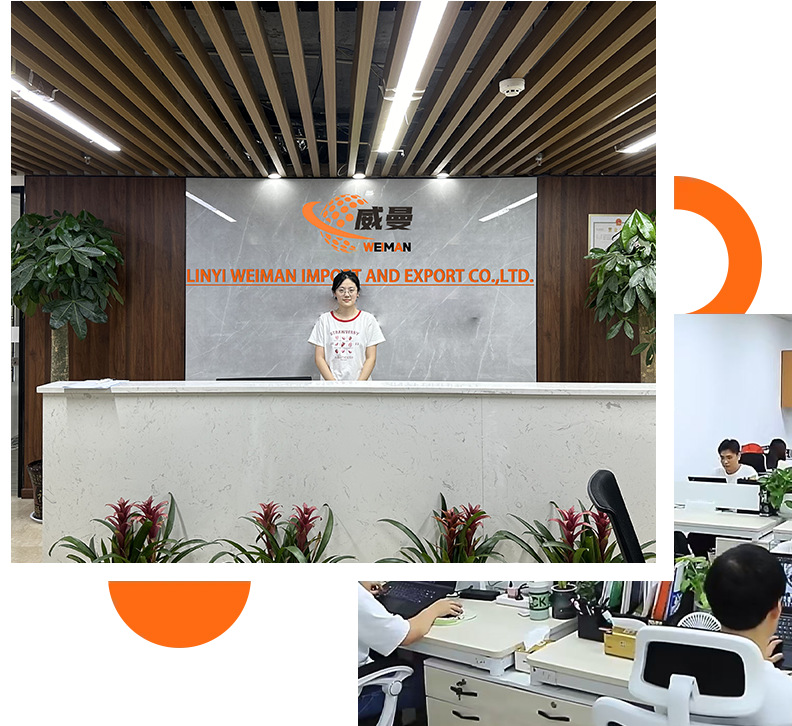
Linyi Weiman Import and Export Co., Ltd. Located in Linyi city, Shandong province, near SDLG factory and closes to XCMG, SEM, Shantui and Weichai factories.
Weiman is the top professional construction equipment supplier, in particular heavy construction equipment, including wheel loaders, luxury mini loader, backhoe loader, skid steer loader, excavator, motor graders, forklift, bulldozer or countries world widely.










Quick delivery time for customers, prompt reaction for spare parts, all these has made a good reputation for us for being a trustworthy partner, because we believe in understanding our clients, open communication, effective planning as well as preparation and is committed to executing and delivering our promises. Our warehouse covers more than 5000 square meters, and located near the airport, railway and high way, which guarantee the quick delivery and low purchasing cost, which will save you much time and money.
Premium Quality Components for 20 Ton Excavators