Choosing the right Heavy Machinery for your project is honestly a pretty big deal. It really affects how smoothly things go, safety on-site, and of course, your budget. There are a lot of factors to consider—like how big your project is, the terrain you're dealing with, and what exactly you need the machinery to do. Honestly, figuring all that out can be kinda overwhelming.
I remember a project manager at Titan Equipment once saying that picking heavy machinery is kinda like a mix of art and science. Experience has shown me that if you pick the wrong equipment, it can lead to delays and blow your budget out of the water. Every machine has its strengths and weaknesses, and misjudging those can cause all sorts of headaches.
So, it’s super important to lean on reputable sources and get advice from folks who really know their stuff. Sure, many companies offer helpful insights, but not all of them are reliable. It’s also a good idea to look back at past projects and learn from them. Having a clearer picture of what you really need will help you make smarter decisions. Just keep in mind, the right heavy machinery can truly make or break your project’s success.
Understanding Project Requirements for Heavy Machinery Selection
Selecting the right heavy machinery for a project starts with understanding the specific requirements. Each project has unique demands based on its scale and nature. Clearly define what tasks need to be accomplished. Consider the soil conditions, the type of materials to be moved, and any height restrictions on the site. If you overlook these details, it can lead to delays and additional costs.
Tips: Evaluate the project’s timeline. The selection of Heavy Equipment Machinery can influence how quickly tasks are completed. Additionally, assess the operator’s expertise. Using machinery that requires advanced skills can slow down progress if operators are not properly trained.
Moreover, think about the machinery’s capacity. Will it be able to handle the weight and volume of materials? A mismatch could result in breakdowns, leading to project setbacks. Remember, relying on underpowered machinery can prove costly in the long run. Keep these considerations in mind to ensure you choose the best equipment for your specific needs.
How to Choose the Right Heavy Machinery for Your Project?
| Project Type |
Required Machinery |
Load Capacity (tons) |
Required Features |
Terrain Considerations |
| Construction |
Excavator |
20 |
Hydraulic system, adjustable boom |
Urban, level |
| Mining |
Dump Truck |
30 |
High torque engine, 4WD |
Rugged, off-road |
| Agriculture |
Tractor |
15 |
Tillage system, GPS integration |
Farmland, uneven |
| Road Work |
Road Roller |
10 |
Vibration control, weight adjustment |
Urban, paved |
| Demolition |
Crawler Crane |
25 |
Lifting capabilities, tilting function |
Urban, unstable |
Assessing Types of Heavy Machinery Available for Your Project
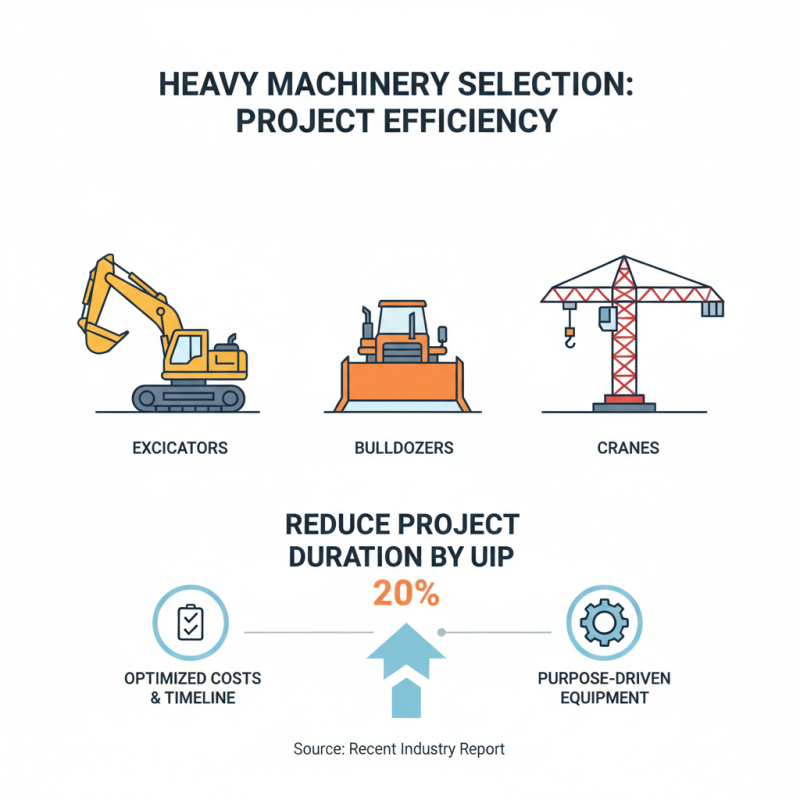
When evaluating heavy machinery for your project, it's crucial to consider the types available. Construction equipment varies significantly, affecting both costs and project efficiency. Excavators, bulldozers, and cranes have distinct purposes that can impact your timeline. In a recent industry report, data suggests that selecting the appropriate machinery can reduce project duration by up to 20%.
Heavy Machinery Movers play a vital role in this selection process. They assist in choosing the right equipment based on site conditions and project needs. For instance, if your project is in a compact urban area, smaller, more versatile equipment might be required, while larger machinery would be beneficial for extensive open sites. Understanding these nuances can lead to better financial decisions.
It's important to acknowledge that not all equipment provides an equal return on investment. Choosing bulky machinery for a small task can lead to inefficiencies. Moreover, the learning curve for operating complex machinery can slow down progress. Careful assessment is needed to ensure you are not over-investing in equipment that doesn't match your specific requirements.
Evaluating Key Specifications of Heavy Machinery
When evaluating heavy machinery for your project, key specifications should guide your choice. Consider the machine’s lift capacity, working reach, and operating weight. These factors determine how well the machinery meets your project demands. Always assess the engine power and fuel efficiency, as these will impact operating costs.
Tips: Assess the terrain before making a decision. Certain machinery performs better on uneven ground. Look for models with high maneuverability in tight spaces. The right machinery can reduce time and increase safety on the job site.
Another specification to evaluate is durability. Heavy machinery should withstand harsh conditions without frequent repairs. Check for ease of maintenance and availability of parts. This can save time and resources in the long run.
Tips: Always read reviews and user feedback. They can highlight hidden issues. Don't overlook warranties; they can provide peace of mind. Lastly, consider the operator's experience with various types of equipment. Their insights can influence the choice significantly.
Determining Budget Constraints and Financing Options
When planning a construction project, budget constraints play a crucial role in selecting heavy machinery. According to a recent industry report by the American Rental Association, 45% of projects overrun their budgets due to unexpected machinery costs. Understanding financing options can help mitigate these risks. Many contractors opt for leasing equipment. This allows for lower upfront costs while still accessing necessary machinery.
Evaluating your budget involves more than just machinery costs. You must also consider operational expenses. A well-maintained excavator, for instance, can save 20% in fuel costs compared to older models. This highlights the importance of choosing modern, efficient equipment. However, the initial investment in these machines can be substantial. Companies often struggle with finding the right balance between quality and affordability.
In light of budget limitations, exploring financing options is essential. Some companies might consider taking out loans specifically for heavy machinery purchases. However, others may need to obtain a Heavy Machinery License for leasing contracts. Each option has its benefits and drawbacks. Renting might provide flexibility but can become expensive over time. Therefore, careful planning and expert advice are invaluable in navigating these decisions.
Considering Equipment Availability and Rental Services
When planning a project that requires heavy machinery, considering equipment availability is crucial. Many projects face delays due to unexpected equipment shortages. It's important to assess local rental services early on. Knowing what machinery is accessible can shape your project timeline and budget significantly.
Rental services often provide flexible options. This allows you to choose machinery that suits your specific needs without the burden of purchasing it. However, it's crucial to evaluate the condition and reliability of the equipment offered. Rented machines may vary in quality, and older models could become troublesome. Make sure to inspect them thoroughly before making commitments.
Another point to consider is the rental company's reputation. Look for services with solid reviews and feedback from previous clients. A reliable company can offer support for maintenance and repairs during the rental period, which can save you from potential project setbacks. Balancing availability with quality equipment is a reflection of thoughtful planning.
Analyzing Safety Features and Compliance Standards
Choosing the right heavy machinery requires careful attention to safety features. Compliance with local regulations is critical. Before making a choice, check for necessary certifications. Each piece of machinery has different safety standards based on its use. For example, cranes require load limits and stabilizer checks.
It's essential to analyze safety features like emergency stop buttons and visibility cues. Many operators overlook the importance of ergonomic designs. Poor design can lead to operator fatigue and increased risks. Conducting regular inspections can reveal potential hazards before they become issues.
Heavy Machinery Transport presents its own challenges in safety. Ensure the machinery is secure during transit to prevent accidents. It’s easy to underestimate the impact of poor loading practices. Always consider how machinery’s features align with your project’s requirements. This alignment is vital in minimizing risks on the job site.
Consulting Experts and Gathering Recommendations for Selection
Choosing the right heavy machinery for your project can be overwhelming. Consulting experts is essential. Their experience can guide you in selecting the appropriate equipment. Reach out to professionals who have worked on similar projects. Their insights can be invaluable.
Gathering recommendations is another effective approach. Talk to industry colleagues or construction forums. They may have useful suggestions. Peer reviews or shared experiences often highlight machinery's performance and reliability. This could save you time and money.
**Tips:** Consider creating a checklist before consultations. Include crucial factors like project size and terrain type. Keep an open mind about equipment options. Sometimes, a less popular choice may outperform mainstream models. Reflect on past machinery selections too. We all make mistakes; learning from them shapes better decisions.
Heavy Machinery Selection Criteria
This chart illustrates the importance ratings for various criteria when selecting heavy machinery for projects. Power and durability are deemed the most critical factors, while fuel efficiency is considered the least important criteria.
Comprehensive Review of Yuchai YC209-100125 Oil Seal: Performance, Features, and Cost-Effectiveness for Machinery
The Yuchai YC209-100125 oil seal is an indispensable component in the realm of machinery, offering unparalleled performance coupled with cost-effectiveness. Weighing only 0.08kg, this oil seal is designed to enhance the overall efficiency and responsiveness of machinery, thereby optimizing its operational capacity. According to industry reports, a well-functioning oil seal is critical in preventing lubricant leakage, which is a common concern in mechanical systems. In fact, studies show that a significant proportion of machinery failures can be attributed to inadequate sealing solutions.
The construction of the YC209-100125 oil seal is engineered for durability under challenging conditions. High-quality materials ensure resistance to wear and tear, leading to longer service life and reduced downtime. In a recent survey, companies that upgraded to high-quality oil seals, such as the YC209-100125, reported a decrease in maintenance costs by up to 30%. Such data underscores the importance of investing in reliable components for machinery, as longevity and performance can have a direct impact on operational costs and efficiency.
Furthermore, the affordability of the YC209-100125 oil seal makes it an excellent choice for businesses looking to enhance their machinery's performance without incurring high costs. Budget-friendly options that do not compromise on quality are essential for maintaining a competitive edge in today's fast-paced industrial environment. As reported in industry analysis, cost-effective solutions that combine performance and reliability can significantly influence a company's bottom line, confirming the value of this high-quality oil seal in machinery applications.
FAQS
: The first step is understanding the specific requirements of the project.
Clearly defined tasks help in choosing the right equipment, which avoids delays and extra costs.
If operators lack training for complex machinery, it can slow down the project significantly.
It's crucial to assess whether the machinery can handle the weight and volume of materials.
Lift capacity, working reach, operating weight, engine power, and fuel efficiency are essential specifications.
Certain machines perform better on uneven ground, so assessing terrain is very important.
Durable equipment withstands harsh conditions and reduces the need for frequent repairs.
Understanding financing options and considering leasing can help manage unexpected machinery costs.
Renting offers flexibility but can become expensive over time, which needs careful planning.
Operators' insights can highlight practical issues and influence the choice significantly.
Conclusion
Choosing the right heavy machinery for your project involves a thorough understanding of your specific project requirements. Start by evaluating the types of heavy machinery available, ensuring you assess their key specifications such as power, capacity, and versatility. Budget constraints are also crucial; consider financing options and the cost of acquiring or renting equipment. Equipment availability can impact project timelines, so explore rental services if necessary.
Safety is paramount, so be sure to analyze the safety features and compliance standards associated with the machinery you are considering. Consulting with industry experts can provide valuable insights and recommendations to guide your selection process. By taking these steps, you can ensure that you choose the most suitable heavy machinery for your project's needs, ultimately leading to a more efficient and successful operation.
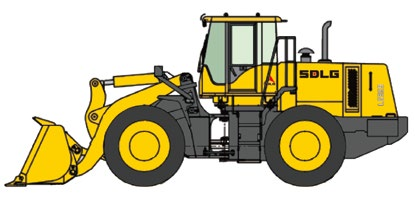 Wheel Loader
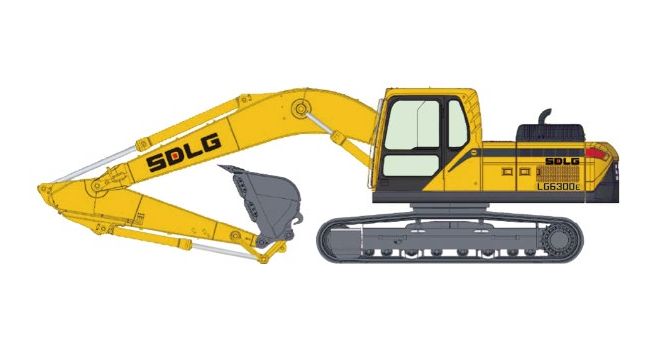 Excavator
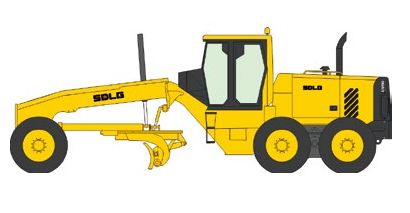 Motor Grader
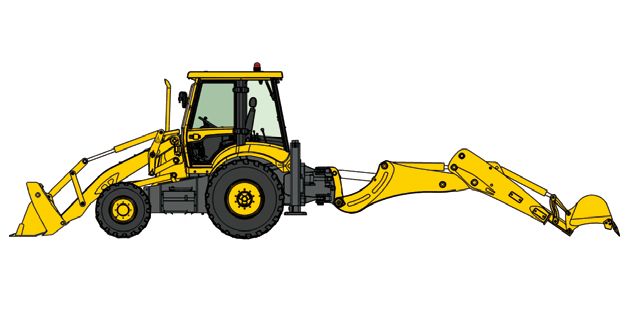 Backhoe Loader
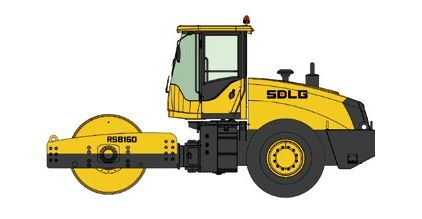 Road Roller
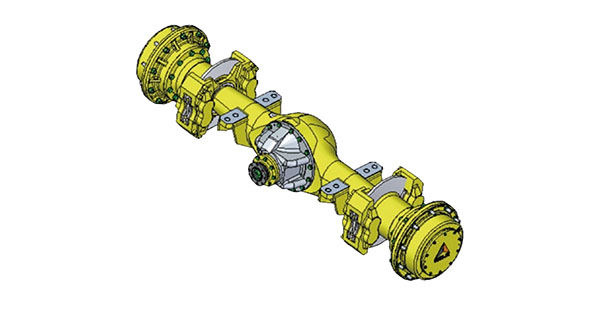 Spare Parts