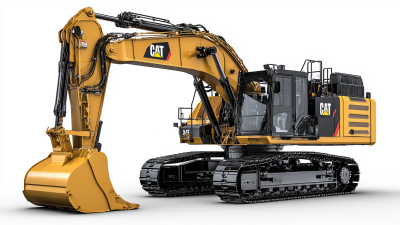
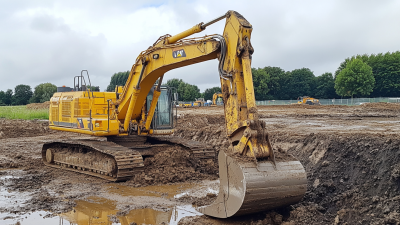
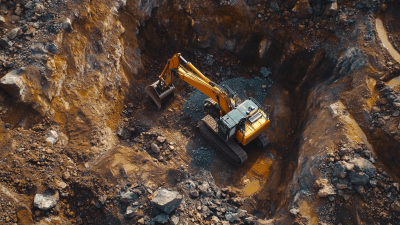
Excavation equipment is super important when it comes to construction and landscaping projects. Getting the digging right can really make or break your timeline and budget. But honestly, a lot of folks don’t pay enough attention to some simple tips that could help boost their productivity. It’s worth knowing what your machinery can do — every machine has its own strengths and quirks. Before jumping into a project, it’s a good idea to assess your tools. For example, choosing the right bucket size might seem small, but it can actually make a big difference in how quickly you get things done. Unfortunately, some people end up using buckets that don’t quite fit, which just slows down the whole process.
Another thing to keep in mind is training and experience. When you’re new to operating this stuff, it’s easy to miss out on ways to get the most out of your equipment. Plus, maintenance often gets pushed aside, but neglecting it can cause breakdowns and end up delaying your project. Taking a bit of time to reflect on these things can really help things run smoother and lead to a more successful excavation — no surprises, just steady progress.
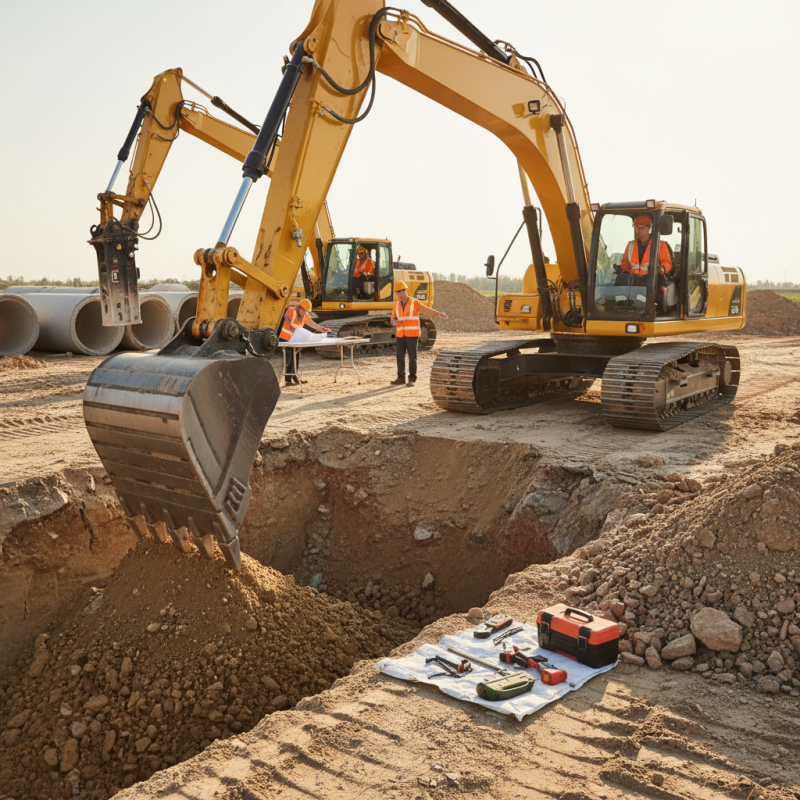
Top 10 Excavation Equipment Tips for Efficient Digging
When digging, efficiency is key. Choose the right equipment for the job. Utilize bucket sizes that match the soil type. If the bucket is too large, it can lead to slow lifting. Small buckets might require more trips, but they can maneuver better. Always consider the site conditions before starting.
Regular maintenance is crucial. Operators must check hydraulic fluids and filters. Neglecting maintenance can cause unexpected breakdowns. When machines fail, delays occur. This can increase project costs and tension among workers. Make it a habit to inspect equipment daily.
Communication matters on the job site. Ensure everyone understands their roles clearly. Misunderstandings can lead to accidents or delays. Use clear signals and maintain open lines. Despite efforts, there will be challenges. Acknowledging mistakes helps in improving team performance. Efficiency comes from learning and adapting.
Understanding Different Types of Excavation Equipment and Their Uses
When it comes to excavation, understanding the equipment is crucial. There are various types of excavators, each suited for specific tasks. For example, hydraulic excavators are versatile and commonly used for digging. In fact, they account for about 40% of the global excavator market, as noted by several industry reports. They excel in urban areas, where space is limited.
Mini excavators, on the other hand, are perfect for smaller jobs. Their compact size allows them to maneuver in tight spaces, making them popular in residential projects. According to a recent survey, mini excavators can increase job efficiency by up to 30%. However, they come with limitations regarding digging depth and material handling capacity.
Skid steer loaders are also essential in excavation. They offer exceptional versatility and can quickly switch attachments. Yet, a common pitfall is underestimating their power, which can lead to operational inefficiencies. Industry data indicates that improper use of these machines can reduce productivity by 20%. Understanding each machine's strengths and weaknesses is vital for optimizing performance in any excavation project.
Importance of Regular Maintenance for Excavation Machinery Efficiency
Regular maintenance for excavation machinery is crucial. It directly affects performance and efficiency. According to a report by the Equipment Maintenance Council, proper upkeep can improve machinery life by 30%. This translates into significant cost savings for construction projects. Neglecting maintenance can lead to unexpected breakdowns, causing costly delays.
Scheduled inspections are key. They can identify wear and tear before it becomes a serious issue. For example, filters must be checked frequently. A clogged filter can reduce efficiency by up to 25%. Operators should also monitor hydraulic systems closely. Leaks or pressure drops can lead to inefficient digging and increased fuel consumption.
Preventive maintenance is not just routine; it’s essential. Many contractors overlook this aspect, leading to higher operational costs. A study showed that 45% of downtime in construction is due to mechanical failures. Regular servicing can mitigate these problems significantly. It's an investment that pays off in reliability and productivity. Celebrating small wins can help remind teams of the importance of this maintenance loop.
Choosing the Right Excavator Attachments to Enhance Digging Performance
When digging, choosing the right excavator attachments is crucial. Each attachment serves a specific purpose. A bucket is common for soil, while a grapple helps with debris. Understanding what you need before starting can save time and energy. However, many operators overlook this aspect. They end up using the wrong tools for the job. This can lead to inefficiency and unnecessary frustration.
Another important factor is knowing how to switch attachments quickly. Delays in changing tools can slow down the entire project. Operators should practice this skill regularly. Yet, some may rush this process, leading to mistakes. Damage to the machine or attachment can occur. Regular maintenance checks are also necessary. Ignoring worn-out parts can affect performance and safety.
The type of job influences attachment choice significantly. For rocky terrain, a heavy-duty bucket is ideal. For landscaping, a narrower, more precise tool works better. Each project has its unique challenges. Failing to adapt accordingly can lead to poor outcomes. Operators must remain flexible and be ready to rethink their strategies.
Optimal Operating Techniques for Improving Digging Speed and Accuracy
Efficient excavation requires precise techniques. Proper machine setup is crucial. Operators should consider the type of soil and terrain ahead of time. For example, soft soils can slow down progress significantly. According to industry reports, about 40% of project delays stem from inadequate preparation for environmental conditions. Therefore, assessing ground conditions before digging is vital.
Digging speed relates to the operator's skill and knowledge. Training programs help workers understand the equipment. A study found that trained operators improve digging speed by up to 30%. Workers must learn to use the controls intuitively. Quick responsiveness to the machine's behavior enhances accuracy. Yet, many operators overlook simple adjustments, such as bucket angle or speed settings. These factors can impact the dig's efficiency.
Communication on-site also plays a crucial role. Teamwork is necessary for successful excavation. Operators should coordinate with the ground crew for seamless operation. Miscommunication may lead to accidents or rework. Reports indicate that a lack of communication accounts for 25% of inefficiencies in excavating jobs. Regular meetings can help align expectations and strategies. Ensuring all team members are on the same page can prevent costly mistakes.
Leveraging Technology: GPS and Sensors in Modern Excavation Work
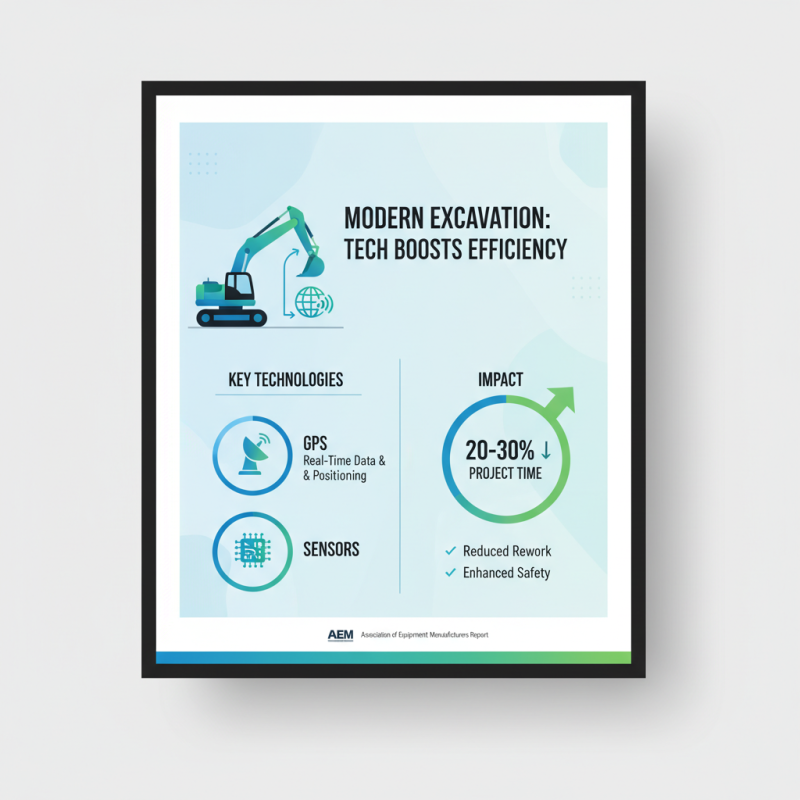
In modern excavation work, technology integration is crucial for improved efficiency. GPS and sensors have revolutionized how digging operates, providing real-time data that helps minimize errors. According to a report from the Association of Equipment Manufacturers, utilizing these technologies can lead to a 20-30% reduction in project completion time. Accurate positioning reduces rework and enhances site safety.
When using GPS, ensure the equipment is calibrated correctly. This minimizes potential miscalculations during digging. Integrate sensors that monitor soil conditions; they can inform operators when adjustments are necessary. Regular training on these technologies also helps improve team efficiency and safety awareness.
Another key tip is to monitor data analytics closely. Understanding trends can drive better decision-making on the job site. Leverage technology for not just tracking but also predictive analytics. This can highlight potential issues before they arise. It's essential to evaluate and adjust your operations continually. Embracing technology is not just an enhancement; it’s a necessity in today's fast-paced construction environment.
Safety Protocols and Best Practices for Digging Operations
When conducting excavation operations, safety protocols are paramount. Workers must always wear appropriate personal protective equipment, such as helmets, gloves, and high-visibility vests. This gear protects them from possible hazards. Regular safety meetings can remind the team of protocols. However, it’s easy to overlook these details under pressure.
Before starting any digging, it is essential to assess the site. Identifying underground utilities is crucial. A simple mistake, like striking a utility line, can halt work and cause injuries. Some teams might rush through this process, but thorough checks prevent accidents. It's also vital to establish a clear communication system among team members. A lack of signals or misunderstandings can lead to dangerous situations.
Keeping the work area tidy is another safety consideration. Clutter can cause slips and accidents. Organizing tools and materials should be a daily routine. Additionally, regular breaks are necessary. Fatigue can impair judgment and lead to mistakes. After all, even a moment of distraction can result in serious consequences. Reflecting on these practices can lead to enhanced safety and efficiency on-site.
Top 10 Excavation Equipment Tips for Efficient Digging
Cost Management: Analyzing Excavation Costs for Better Budgeting
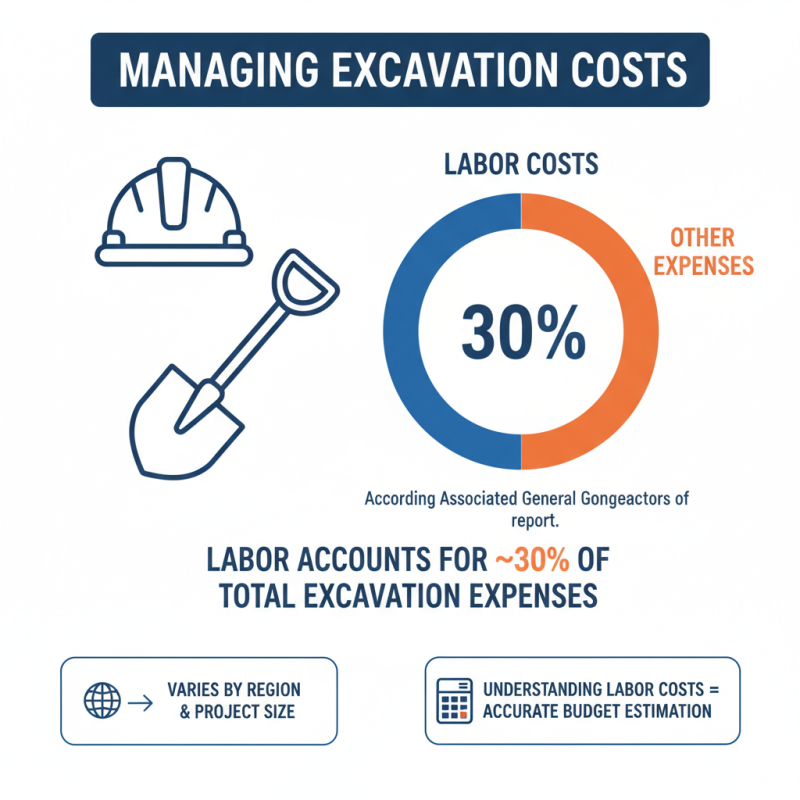
Managing excavation costs is crucial for any project. A recent report by the Associated General Contractors of America highlights that labor accounts for roughly 30% of total excavation expenses. This figure can vary significantly across regions and project sizes. Understanding labor costs can help in estimating your budget accurately.
Equipment rental fees also come into play. Industry surveys indicate that rental costs have risen by about 15% over the past two years. This necessitates careful consideration of whether to rent or purchase equipment. Analyzing the project's scope can aid in making an informed decision.
Many overlook indirect costs, such as permits and site preparation. These can add another 10-20% to the overall budget. Tracking all expenses helps maintain financial control. By actively monitoring costs and adjusting strategies, projects can remain within budget while addressing unexpected challenges. Exploring cost-effective methods can enhance efficiency and reduce financial strain.
Choosing the Right Hydraulic Filter: A Guide to Model 60980003276 CA303EFD1-100 for Excavators and Loaders
When it comes to maintaining the performance of excavators and loaders, selecting the right hydraulic filter is crucial. The Model 60980003276 CA303EFD1-100 stands out as an exceptional choice for these types of heavy machinery. Recognized for its durable construction, this hydraulic filter ensures that hydraulic fluid remains clean, thereby preventing costly damage and downtime. Its efficient filtration system effectively removes contaminants, which directly enhances the operational efficiency of the equipment.
The high-quality design of the 60980003276 hydraulic filter not only improves responsiveness but also extends the life of machinery components. By effectively trapping debris and particulates, this filter ensures that hydraulic systems function smoothly, which is essential for the demanding conditions faced on job sites. Furthermore, with its availability at a favorable price, it offers an economical solution without compromising on quality, making it a smart investment for operators looking to enhance their equipment's performance. Implementing this hydraulic filter as part of regular maintenance can lead to significant improvements in both productivity and equipment lifespan.
FAQS
: The product offers durability, ease of use, and innovative design. It enhances user experience effectively.
Regular cleaning is essential. Use a soft cloth and mild detergent. Avoid harsh chemicals that may damage it.
Yes, it is suitable for outdoor use. However, prolonged exposure to extreme weather may affect its lifespan.
A limited warranty covers manufacturing defects. Terms vary, so check the specific details provided with your product.
High-quality, sustainable materials ensure longevity. They are also designed to be lightweight and easy to handle.
It stands out due to its user-friendly features. Some users may find it less intuitive at first.
Yes, various accessories enhance functionality. Users may need to experiment to find the best fit for their needs.
Yes, a return policy exists. Ensure to follow the return process within the specified timeframe.
Initial setup may be tricky. Some users report a learning curve, requiring patience and practice.
Customer support is reachable via email or phone. Response times can vary, so plan accordingly.
Conclusion
Efficient digging is crucial in excavation projects, and understanding the various types of excavation equipment is the first step towards optimizing performance. Each type of equipment has specific uses that can significantly impact the project's overall efficiency. Regular maintenance is essential to ensure that machines operate at their best, preventing downtime and costly repairs. Additionally, selecting the right excavator attachments can enhance digging performance, while focusing on optimal operating techniques can improve both speed and accuracy.
Incorporating modern technology, such as GPS and sensors, can further streamline excavation work, providing precise data and improving workflow. Safety protocols and best practices are paramount to protect workers and ensure smooth operations. Finally, effective cost management strategies will help analyze excavation costs, facilitating better budgeting for future projects. Overall, leveraging these tips related to excavation equipment can lead to more successful and efficient digging operations.

 Wheel Loader
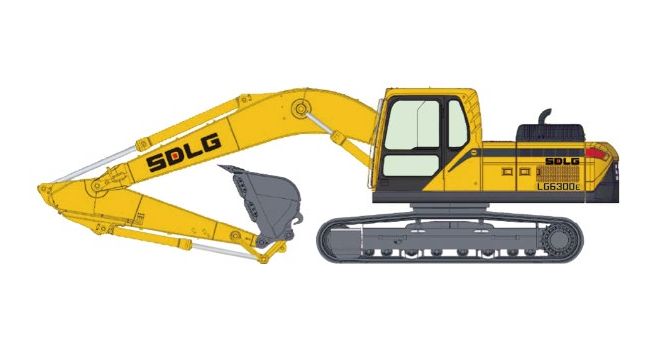 Excavator
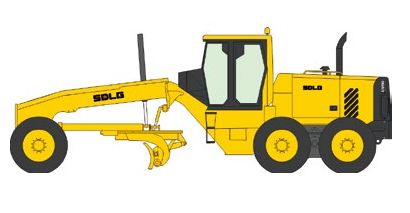 Motor Grader
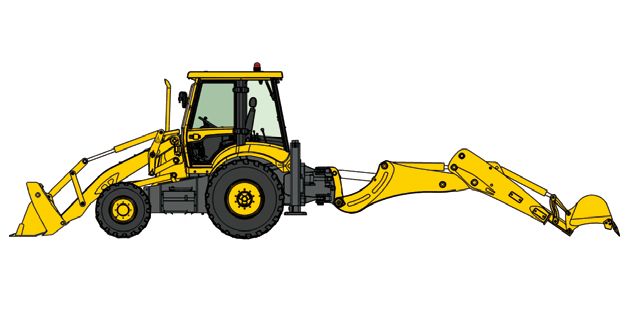 Backhoe Loader
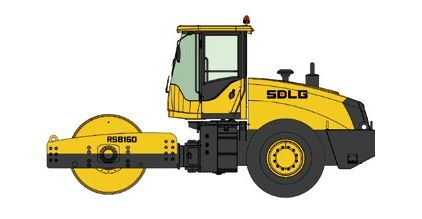 Road Roller
 Spare Parts