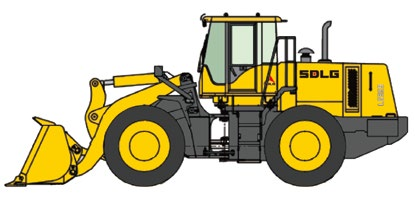
 Wheel Loader
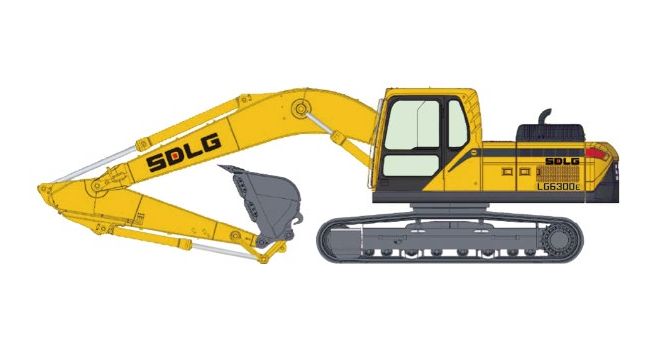 Excavator
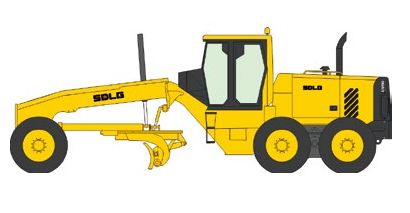 Motor Grader
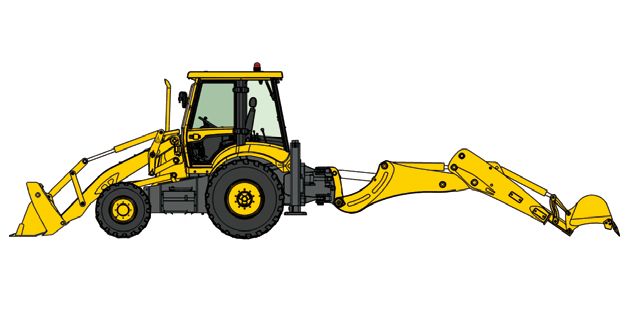 Backhoe Loader
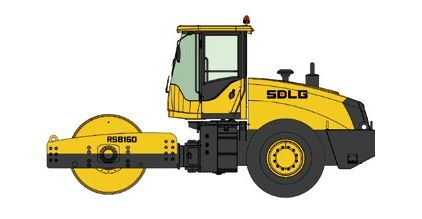 Road Roller
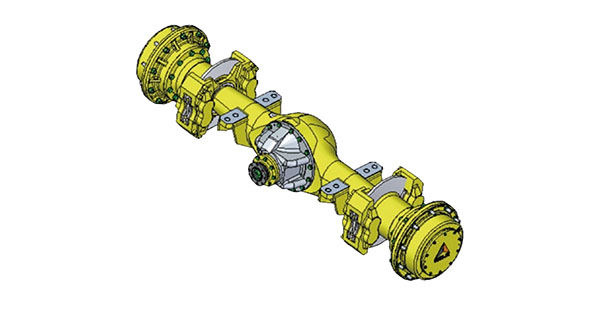 Spare Parts
Leave Your Message
Picking the right heavy equipment is a pretty important part of making any construction project a success. Whether you’re an experienced contractor or just starting out in the industry, getting a good handle on what kinds of heavy machines are out there and knowing what they’re best used for can really make a difference in how smoothly things go.
Here in Linyi, Shandong province, you’ve got the team at Weiman Import and Export Co., LTD. — they’re one of the top suppliers around, offering everything from wheel loaders and mini loaders to backhoe loaders, skid steers, excavators, and motor graders.
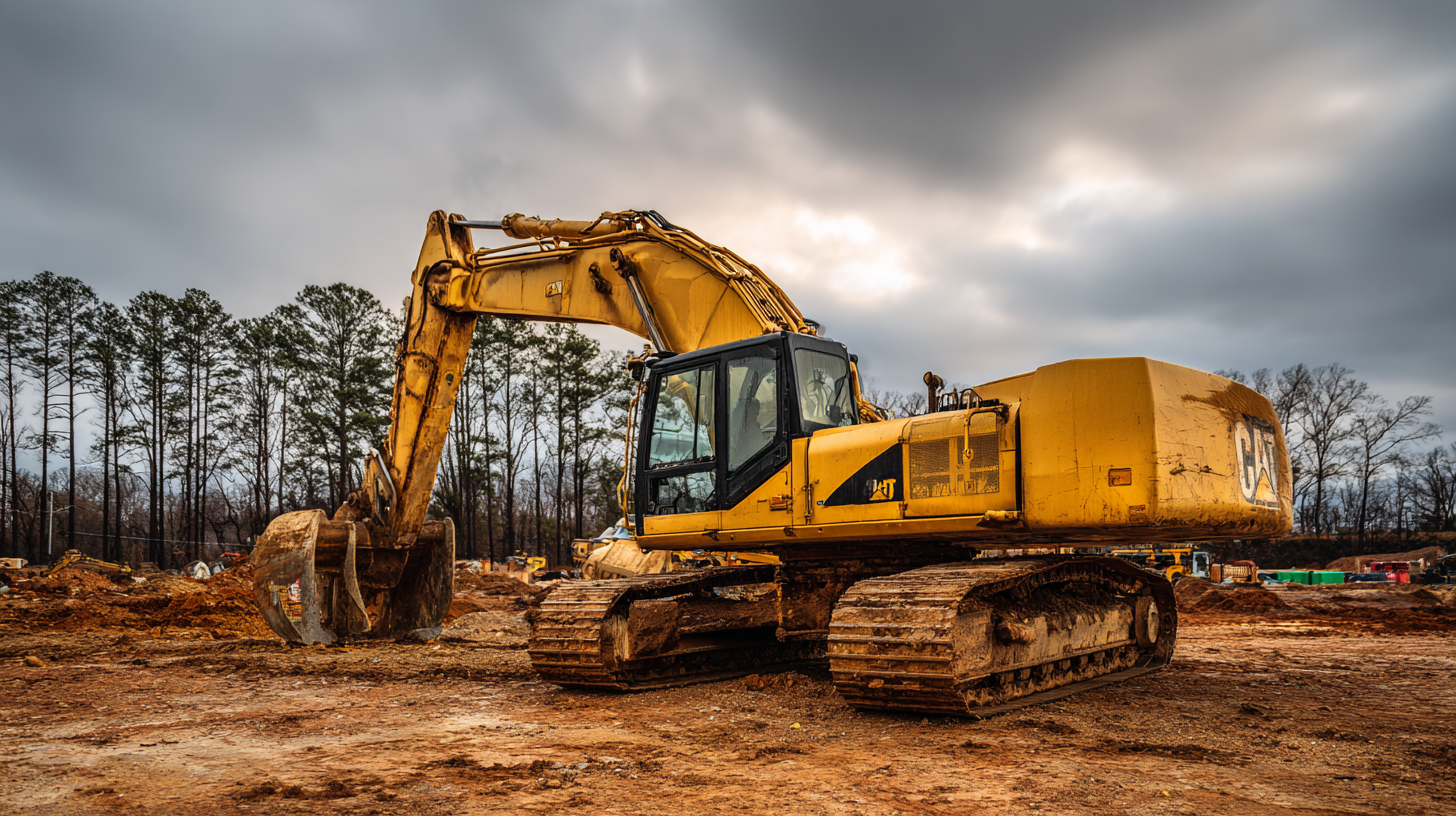 In this post, I’ll walk you through some key things to think about when choosing your heavy equipment — so you can pick what’s best for your project and budget. That way, you’re set up for better productivity and a successful finish, no matter what you’re working on.
Picking the right heavy equipment for your construction project really starts with getting a good handle on what you actually need. Every job has its own quirks and demands, which means the kind of machinery you go for isn’t one-size-fits-all. For instance, if you’re digging things up, knowing the soil type and how your site is laid out can help you decide whether you need a backhoe, an excavator, or maybe a bulldozer. And don’t forget, the size of your project matters — like, how much material you need to move or how big your structures are will totally influence what equipment is best.
On top of that, you’ve gotta think about your timeline and what resources you’ve got available. If you're on a tight schedule, chances are it makes sense to go for equipment that can work faster or has quicker cycle times. It’s also a good idea to consider your crew’s experience—are they comfortable operating certain machinery? Sometimes, renting a piece of specialized gear with an operator support team can really save you time and help avoid accidents. By making sure your equipment choices fit your specific project needs, you’ll see productivity jump and your on-site workflow get way smoother.
| Equipment Type | Project Requirement | Operating Weight (tons) | Engine Power (HP) | Typical Applications |
|---|---|---|---|---|
| Excavator | Excavation, Trenching | 20 - 50 | 100 - 200 | Site Preparation, Demolition |
| Bulldozer | Land Clearing, Grading | 25 - 60 | 150 - 300 | Road Construction, Site Development |
| Crane | Lifting Heavy Loads | 30 - 70 | 200 - 400 | Construction, Shipping |
| Loader | Material Handling, Loading | 15 - 40 | 100 - 200 | Quarrying, Waste Management |
| Dump Truck | Hauling Material | 20 - 35 | 200 - 350 | Construction Sites, Mining |
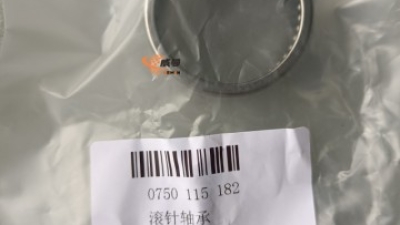
The ZF 0750115182 needle roller bearing is an exemplary choice for those requiring a durable and efficient solution in tightly packed spaces. Designed specifically to support heavy radial loads, this bearing excels in environments where space is at a premium. Its compact design does not compromise its performance; instead, it leverages precision-formed needle rollers that ensure optimal load distribution. This design minimizes friction and enhances energy efficiency, making it a versatile component across a wide range of applications.
Ideal for automotive transmissions, industrial gearboxes, and high-performance machinery, the ZF 0750115182 stands up to demanding conditions while providing exceptional reliability. By adhering to ZF’s industry-leading quality standards, this bearing is engineered to deliver long-lasting performance, even under strenuous workloads. Users can trust that the ZF 0750115182 will maintain operational integrity, contributing to the overall efficiency and reliability of their machinery. In an era where both performance and compact design are critical, the ZF 0750115182 needle roller bearing emerges as a robust solution that meets these essential needs.
: When selecting heavy equipment, it's important to consider the specific project requirements such as the type of tasks to be performed, the soil type, site layout, project scale, timeline, available resources, and the skill level of the team operating the machinery.
A crucial timeline may require machinery that operates more efficiently or has faster cycles to meet deadlines. This is essential for maintaining productivity and ensuring a smooth workflow on-site.
Heavy equipment selection involves not only the upfront purchase or rental price but also ongoing expenses like maintenance, fuel, and insurance. It's vital to consider the total cost of ownership (TCO) in relation to the project's requirements.
Project managers should allocate funds for unexpected repairs, fluctuations in fuel prices, and consider investing in versatile machinery that can perform multiple tasks, thus enhancing overall cost-effectiveness.
Professional advice should be sought when the complexity of machinery and equipment selection could significantly affect project efficiency and outcomes. Consulting experts can help avoid delays and improve equipment suitability.
Involving equipment specialists can lead to a 20% increase in productivity by ensuring optimal equipment selection and compliance with safety standards, as well as providing insights into maintenance needs and operational costs.
Choosing the right heavy equipment for a construction project isn’t something you want to take lightly — it really makes a big difference when it comes to getting things done efficiently and on time. The first thing to do is get a clear picture of what your project actually needs. Different jobs call for different machines, so it’s all about matching the right tool to the task. Take a look at what's out there—things like wheel loaders, backhoe loaders, and excavators—and see which ones fit your specific requirements. Of course, you’ll want to think about performance, how reliable the equipment is, and of course, how much it’ll cost you in the long run. These are all important factors that can really influence your decision.
Here at Linyi Weiman Import and Export Co., LTD, we take pride in offering top-notch heavy construction machinery that’s designed to meet the needs of a variety of projects. If you’re feeling overwhelmed, chatting with industry experts can be a huge help—especially when you’re trying to figure out complex equipment choices. With the right advice and resources, picking the right heavy equipment can set you up for a smooth, successful build and keep everything running efficiently.