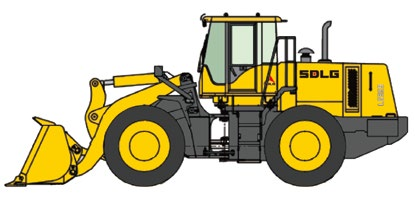
 Wheel Loader
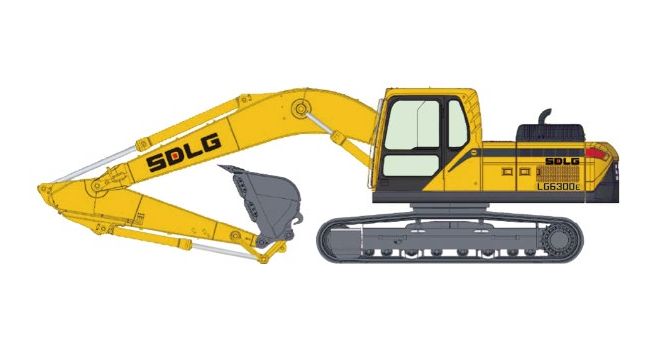 Excavator
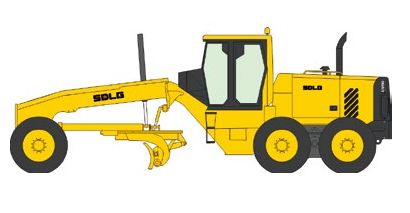 Motor Grader
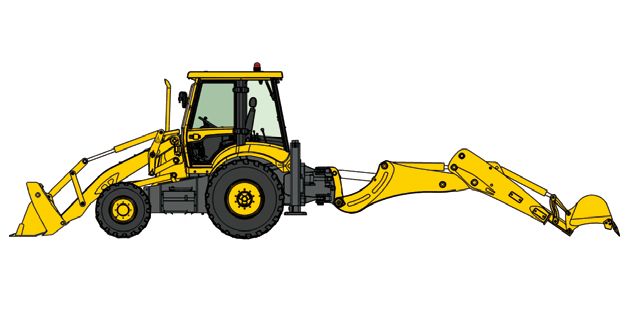 Backhoe Loader
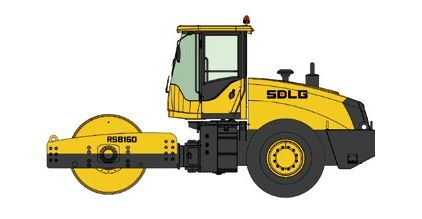 Road Roller
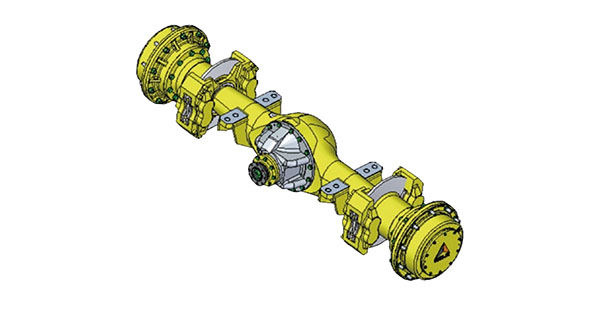 Spare Parts
Leave Your Message
Japan stands as one of the world's leading nations in construction machinery manufacturing, with crawler excavators representing a cornerstone of its industrial prowess. The Japanese crawler excavator market is characterized by technological innovation, precision engineering, and a strong commitment to quality that has earned global recognition. Major Japanese manufacturers such as Komatsu, Hitachi Construction Machinery, Kobelco, and Sumitomo have established themselves as industry leaders, exporting their advanced equipment worldwide.
The crawler excavator industry in Japan has evolved significantly over the past decades, transitioning from basic hydraulic machines to sophisticated, technology-driven equipment featuring GPS guidance systems, automated controls, and hybrid power solutions. This evolution reflects Japan's broader industrial philosophy of continuous improvement (Kaizen) and technological advancement.
Today, Japanese crawler excavator factories operate with cutting-edge manufacturing facilities that incorporate robotics, AI-driven quality control, and lean manufacturing principles. These factories produce equipment ranging from compact mini excavators suitable for urban construction projects to large-scale mining excavators capable of moving hundreds of tons of material per hour.
The Japanese construction equipment market, valued at approximately $15 billion annually, sees crawler excavators accounting for a significant portion of this figure. Domestic demand remains robust, driven by infrastructure renewal projects, disaster recovery initiatives, and ongoing urban redevelopment programs, particularly in major metropolitan areas like Tokyo, Osaka, and Nagoya.
Japan's aging infrastructure presents both challenges and opportunities for the crawler excavator industry. The government's commitment to infrastructure modernization, including the preparation for natural disasters and the maintenance of transportation networks, ensures sustained demand for advanced excavation equipment. The 2024 fiscal year has seen increased public works spending, with crawler excavators playing a crucial role in highway renovations, tunnel construction, and coastal defense projects.
The rental market for crawler excavators has also experienced significant growth in Japan, with many construction companies opting to rent rather than purchase equipment. This trend has created a dynamic secondary market and increased demand for well-maintained, reliable equipment and genuine spare parts from trusted suppliers.
Japanese manufacturers lead in hydraulic systems, fuel efficiency, and automation technology for crawler excavators.
Comprehensive availability of genuine and OEM parts ensuring optimal equipment performance and longevity.
Industry-leading emission standards and hybrid technology development for sustainable construction operations.
The crawler excavator industry in Japan is undergoing a transformative period, driven by several key trends that are reshaping the market landscape. Electrification and hybridization represent the most significant technological shift, with manufacturers investing heavily in developing electric and hybrid crawler excavators that reduce fuel consumption by up to 40% compared to conventional diesel models.
Automation and remote operation capabilities are becoming standard features in new crawler excavator models. Japanese manufacturers are at the forefront of developing semi-autonomous and fully autonomous excavators that can operate in hazardous environments or perform repetitive tasks with minimal human intervention. This technology is particularly valuable in disaster response scenarios and mining operations where operator safety is paramount.
The integration of IoT (Internet of Things) technology and telematics systems has revolutionized fleet management and predictive maintenance. Modern Japanese crawler excavators come equipped with sensors that monitor machine health, fuel consumption, operating hours, and performance metrics in real-time. This data-driven approach enables operators to optimize equipment utilization, reduce downtime, and plan maintenance activities proactively.
Compact and urban-focused excavator designs are gaining prominence as Japan's construction projects increasingly occur in densely populated urban areas with space constraints. Manufacturers are developing zero-tail-swing and reduced-tail-swing models that can operate efficiently in confined spaces while maintaining high performance standards.
Industry analysts project that Japan's crawler excavator market will grow at a CAGR of 3.5% through 2030, driven by infrastructure renewal projects, technological innovation, and increasing export demand. The shift toward sustainable construction practices and the adoption of smart construction methodologies will further accelerate the demand for advanced crawler excavators equipped with cutting-edge technology.
Crawler excavators in Japan serve diverse application scenarios, each with unique requirements and challenges. Urban redevelopment projects in cities like Tokyo, Yokohama, and Osaka require compact excavators with precise control capabilities that can navigate narrow streets and work in limited spaces. These projects often involve building demolition, foundation excavation, and underground utility installation, demanding equipment with low noise emissions and minimal vibration to comply with strict urban regulations.
Infrastructure maintenance and renewal constitute a major application area, with crawler excavators playing essential roles in highway reconstruction, bridge foundation work, and tunnel excavation. Japan's extensive expressway network requires continuous maintenance and upgrading, creating steady demand for medium to large-sized crawler excavators capable of handling heavy-duty excavation and material handling tasks.
Disaster recovery and prevention projects represent a critical application domain unique to Japan's geographical context. Following earthquakes, typhoons, or landslides, crawler excavators are deployed for debris removal, slope stabilization, and emergency access road construction. The equipment must be reliable, quickly deployable, and capable of operating in challenging terrain conditions.
The agricultural sector in rural Japan increasingly utilizes compact crawler excavators for land preparation, irrigation system installation, and drainage work. These applications require versatile machines that can handle various attachments and operate efficiently in soft ground conditions typical of rice paddies and agricultural fields.
Mining and quarrying operations, though less prominent than in other countries, still require heavy-duty crawler excavators for material extraction and site preparation. Japanese manufacturers have developed specialized models with enhanced durability and high bucket capacities to meet these demanding applications.
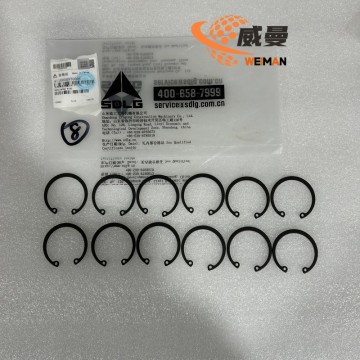
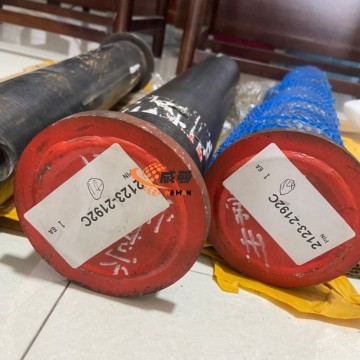
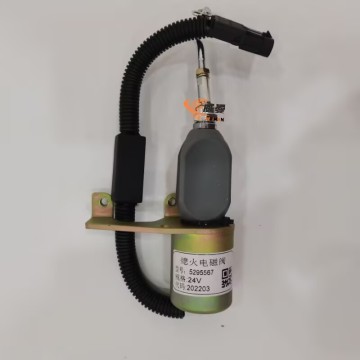
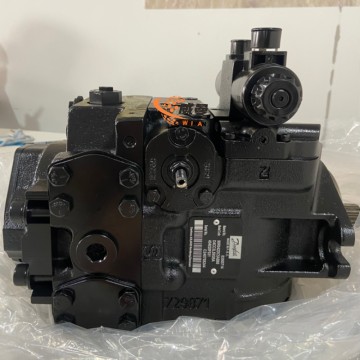
The crawler excavator parts supply chain in Japan is highly organized and efficient, ensuring minimal equipment downtime and optimal operational efficiency. Authorized dealers and distributors maintain extensive inventories of genuine parts, including hydraulic components, engine parts, undercarriage components, and electrical systems. The emphasis on genuine parts stems from Japan's quality-conscious culture and the understanding that using authentic components ensures equipment longevity and maintains warranty coverage.
Weiman, as a professional construction equipment supplier, has established strong relationships with major Japanese construction companies and equipment rental firms. Our proximity to leading manufacturers like SDLG, XCMG, and access to genuine parts from brands including Volvo, Doosan, Hyundai, and Komatsu positions us as a reliable partner for Japanese customers seeking quality excavator components.
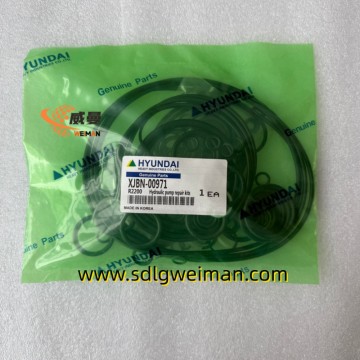
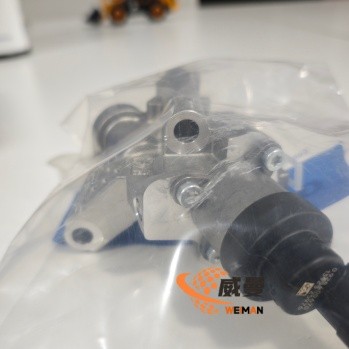
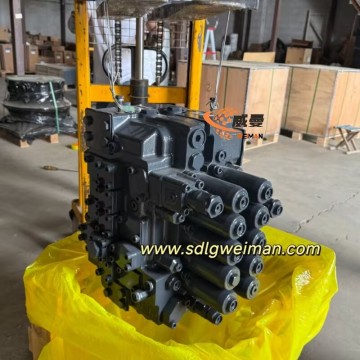
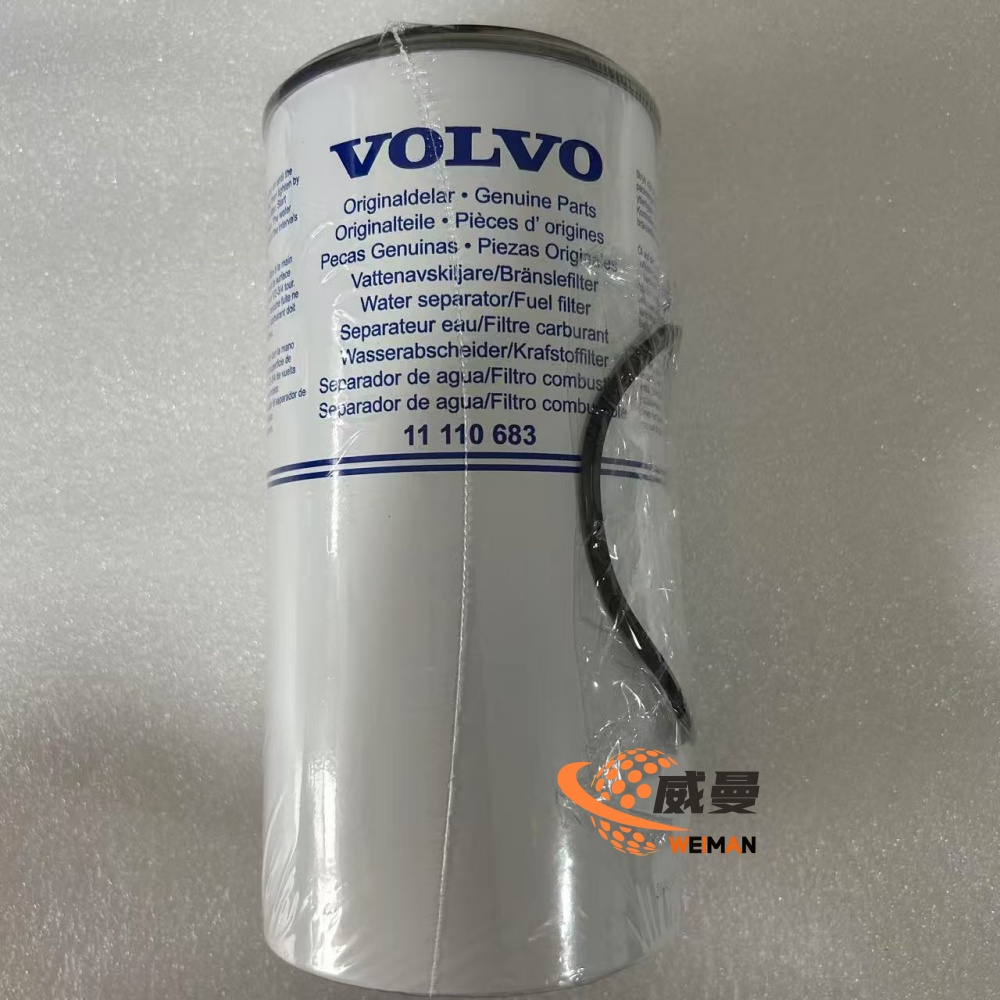
The parts distribution network in Japan benefits from the country's excellent logistics infrastructure, enabling rapid delivery even to remote construction sites. Many suppliers, including Weiman, maintain strategic warehouses that stock high-demand items such as filters, seal kits, hydraulic pumps, and control valves, ensuring same-day or next-day delivery for critical components.
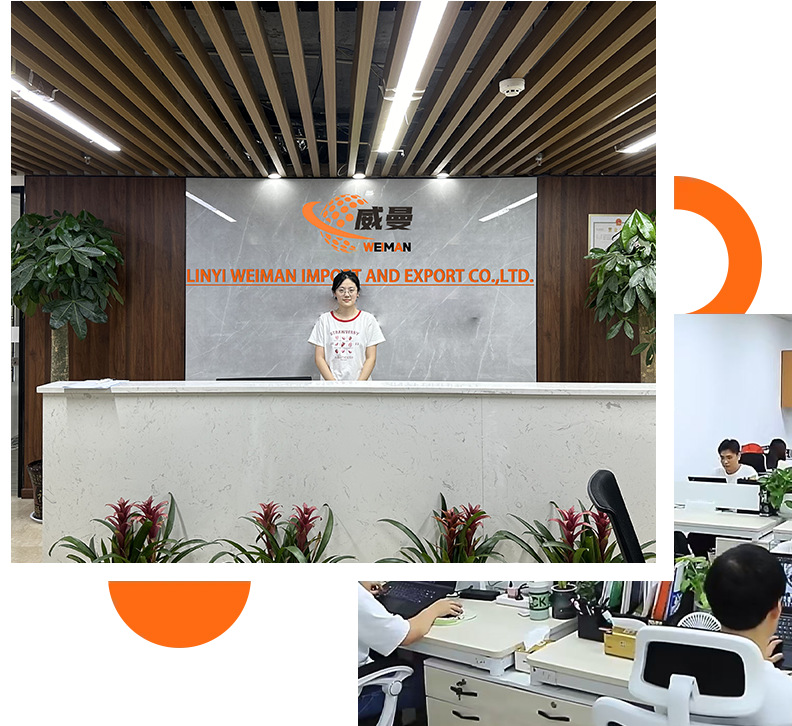
Linyi Weiman Import and Export Co., Ltd. Located in Linyi city, Shandong province, near SDLG factory and closes to XCMG, SEM, Shantui and Weichai factories.
Weiman is the top professional construction equipment supplier, in particular heavy construction equipment, including wheel loaders, luxury mini loader, backhoe loader, skid steer loader, excavator, motor graders, forklift, bulldozer or countries world widely.

Serving the Japanese market requires understanding the unique expectations and standards that Japanese customers demand. Quality assurance is paramount, with customers expecting products that meet or exceed OEM specifications. Weiman's commitment to supplying genuine parts from reputable manufacturers aligns perfectly with these expectations, ensuring that Japanese construction companies receive components that maintain equipment performance and reliability.
Quick delivery times are essential in Japan's fast-paced construction environment where project delays can result in significant financial penalties. Our strategic warehouse location near major transportation hubs, covering over 5,000 square meters, enables rapid order fulfillment and minimizes equipment downtime. We understand that when a crawler excavator is idle due to parts unavailability, it directly impacts project timelines and profitability.
Technical support and product knowledge represent another critical factor. Japanese customers value suppliers who can provide detailed technical specifications, compatibility information, and installation guidance. Our team's extensive experience with various excavator brands and models enables us to offer expert advice and ensure customers receive the correct parts for their specific equipment.
Competitive pricing without compromising quality remains a key consideration. By maintaining direct relationships with manufacturers and optimizing our supply chain, we offer cost-effective solutions that help Japanese construction companies manage their operational expenses while maintaining high equipment standards.
The crawler excavator industry operates on global standards, yet successful suppliers must adapt to local market requirements. In Japan, this means understanding regulatory compliance, environmental standards, and the specific operational conditions that equipment faces. Japanese construction sites often have stricter noise and emission regulations compared to other markets, requiring parts and components that help maintain compliance with these standards.
Our experience serving international markets, combined with our understanding of Japanese business culture and expectations, positions us as an ideal partner for companies operating in Japan. We recognize the importance of building long-term relationships based on trust, consistent quality, and reliable service – values that resonate strongly in Japanese business culture.
The future of crawler excavator supply in Japan will increasingly depend on suppliers who can offer comprehensive solutions beyond just parts delivery. This includes technical consultation, warranty support, and the ability to source specialized components for older equipment models that may no longer be in production but remain operational in Japan's well-maintained equipment fleets.



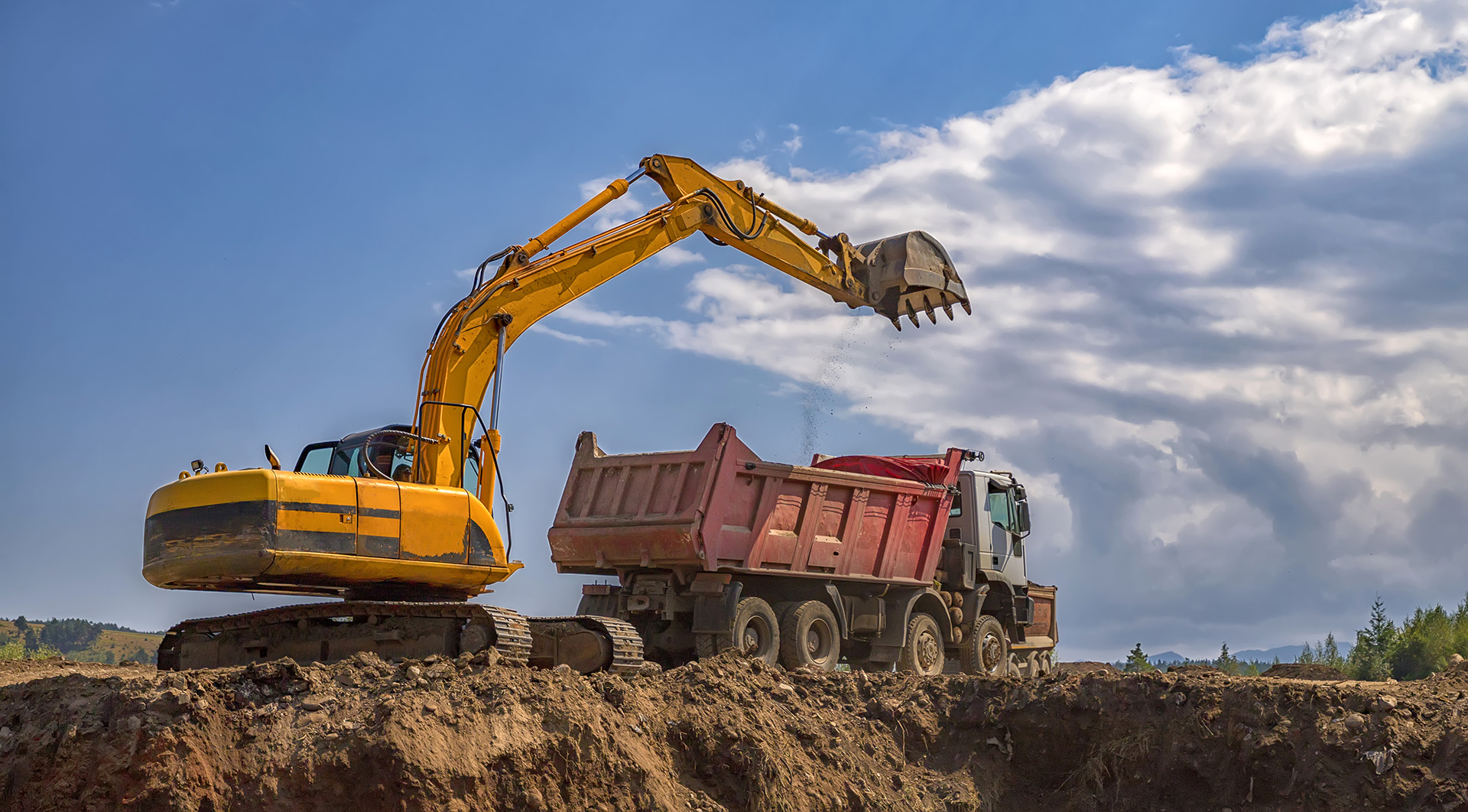
Quick delivery time for customers, prompt reaction for spare parts, all these has made a good reputation for us for being a trustworthy partner, because we believe in understanding our clients, open communication, effective planning as well as preparation and is committed to executing and delivering our promises. Our warehouse covers more than 5000 square meters, and located near the airport, railway and high way, which guarantee the quick delivery and low purchasing cost, which will save you much time and money.